
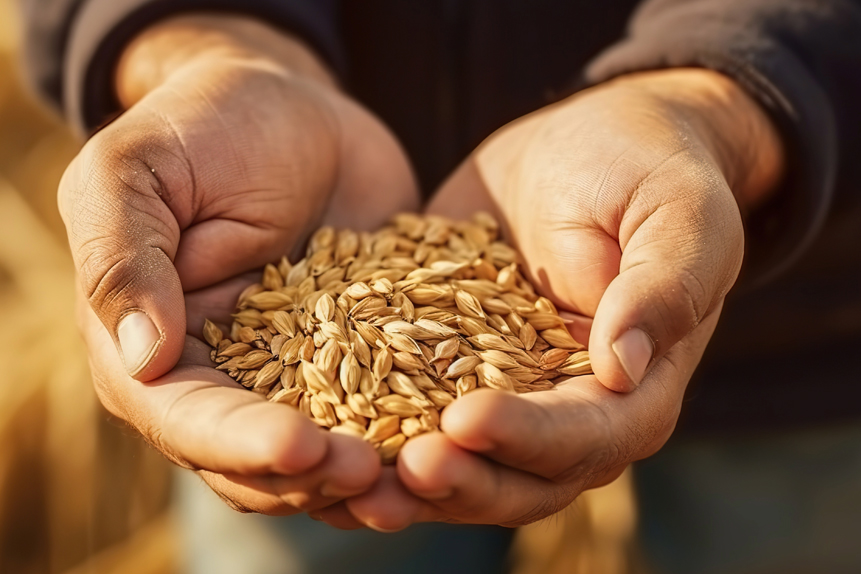
Modern grain farming combines data-driven tools, sustainable practices, and precision management to improve yields, reduce waste, and increase farm profitability. From seed selection to grain storage, today’s farmers rely on real-time data and modern technology to make smarter decisions at every stage of production.
As global grain demand is projected to increase by 70% by 2050, grain producers face growing pressure to produce more food while navigating climate change, resource constraints, and evolving market demands. Success in modern grain farming is no longer just about higher output—it’s about efficiency, resilience, and long-term sustainability.
By integrating precision agriculture, improved seed genetics, advanced monitoring, and smarter storage strategies, farmers can reduce risk, protect soil health, and maintain consistent grain quality. This article explores the key practices, technologies, and innovations shaping modern grain farming—and how producers can adapt to build more productive and future-ready operations.

The Initial Steps in Grain Farming
Grain farming begins with strong fundamentals—seed selection and soil preparation. These early decisions play a critical role in determining crop health, yield potential, and overall farm performance.
Choosing the right seed variety requires careful consideration of local conditions, including climate, soil type, moisture levels, and growing season length. Farmers also evaluate traits such as drought tolerance, disease resistance, and yield stability to ensure the crop is well suited to their operation.
Soil preparation is equally important. Healthy soil provides the nutrients, structure, and moisture retention needed for consistent growth. While traditional tillage is still used in some systems, many farmers are adopting reduced-till or no-till practices to improve soil health, reduce erosion, and support long-term sustainability.
Common Grain Types and Where They’re Grown
The table below provides an overview of common grain types, their primary uses, and the regions where they are most commonly cultivated. This comparison helps farmers understand crop suitability, market demand, and regional production trends.
| Grain Type | Grain Name | Common Uses | Main Regions Grown |
|---|---|---|---|
| Cereal Grains | Wheat | Bread, pasta, baked goods | USA, Canada, Russia, China, India, Europe |
| Rice | Staple food, sushi, desserts | China, India, Southeast Asia, USA, Brazil | |
| Corn (Maize) | Food, animal feed, biofuels | USA, Brazil, China, Argentina, Ukraine | |
| Barley | Brewing, animal feed, soups | Russia, Canada, Germany, Australia | |
| Oats | Cereals, animal feed, health foods | Canada, Russia, USA, Australia, Europe | |
| Rye | Bread, whiskey, animal feed | Russia, Germany, Poland, Canada | |
| Sorghum | Food, animal feed, biofuels | USA, Nigeria, India, Australia, China | |
| Millet | Cereals, porridge, animal feed | India, Africa, China, Russia | |
| Triticale | Animal feed, baking, biofuels | Poland, Germany, France, Canada, China | |
| Pseudocereals | Quinoa | Salads, gluten-free foods | Peru, Bolivia, Ecuador, USA, Canada |
| Buckwheat | Pancakes, noodles, gluten-free foods | Russia, China, Ukraine, USA, Poland | |
| Amaranth | Cereal, baking, gluten-free foods | Mexico, Peru, India, USA, Africa | |
| Legume Grains | Lentils | Soups, stews, protein source | Canada, India, Turkey, USA, Australia |
| Chickpeas | Hummus, soups, salads | India, Australia, USA, Turkey, Canada | |
| Peas | Food, animal feed, cover crops | Canada, Russia, China, USA, India | |
| Soybeans | Tofu, soy milk, oil, animal feed | USA, Brazil, Argentina, China, India |
How farmers manage this today: Many producers use digital farm management tools to track grain inventory, log field data, monitor equipment maintenance, and manage storage conditions in one system.
Preparing the Soil for Long-Term Success
Once the appropriate seed varieties are selected, preparing the soil becomes the next critical step in grain farming. Proper soil preparation creates the foundation for strong root development, efficient nutrient uptake, and consistent crop growth throughout the season.
Traditionally, soil preparation involved full tillage to loosen soil, control weeds, and incorporate nutrients. While this approach is still used in some systems, many modern grain farmers are shifting toward reduced-till and no-till practices. These methods help preserve soil structure, reduce erosion, improve water retention, and support beneficial soil organisms.
Cover cropping has also become an important tool in modern grain farming. By planting legumes or grasses between growing seasons, farmers can improve soil fertility, reduce compaction, suppress weeds, and enhance overall soil health—setting up future crops for stronger performance.
Pro Tip: Regular soil testing and nutrient management plans are key to maximizing crop potential and maintaining soil health over multiple seasons.
U.S. Department of Agriculture
Understanding Growing Seasons and Crop Timing
Most grain crops are grown as annuals, completing their life cycle—from germination to harvest—within a single year. However, the ideal planting window varies depending on the type of grain and regional climate conditions.
Cool-season grains such as oats, rye, and many wheat varieties are often planted in the fall. These crops benefit from cooler temperatures, which promote steady early growth and reduce pressure from pests and diseases. In contrast, warm-season crops like millet, buckwheat, and certain wheat varieties are typically planted in the spring, taking advantage of longer daylight hours and warmer soil temperatures.
Matching crop type to the correct planting season helps maximize yield potential, reduce stress on plants, and improve overall crop resilience.

Best Practices for Soil and Crop Readiness
Maintaining soil health is an ongoing process that extends beyond planting. Regular soil testing allows farmers to monitor nutrient levels, adjust fertilization strategies, and prevent deficiencies before they impact yields. Nutrient management plans based on real data help reduce waste, control input costs, and protect the environment.
Key Practices Before Harvesting
After planting is complete, grain farming enters a critical phase focused on crop management, resource efficiency, and risk reduction. The decisions made during this stage directly impact yield quality, input costs, and overall farm profitability.
Modern planting equipment allows farmers to achieve precise seed placement and consistent spacing, which promotes uniform germination and stronger crop development. Once crops emerge, maintaining proper soil moisture becomes essential. Effective irrigation and water management help crops access the moisture they need without overwatering, which can lead to disease, nutrient loss, and reduced yields.
Fertilization strategies are increasingly guided by soil data and crop requirements rather than guesswork. Many farmers now use variable-rate application systems to apply nutrients only where they are needed, improving efficiency while reducing waste and environmental impact. This targeted approach supports healthy crop growth while keeping input costs under control.
Weed, Pest, and Disease Management
Protecting crops from weeds, pests, and disease is a continuous process throughout the growing season. Farmers use a combination of approaches to minimize damage and maintain crop health.
Mechanical methods such as cultivation and mulching help suppress weed growth, while chemical controls—including herbicides and pesticides—are used when necessary to protect yields. Biological solutions, such as beneficial insects, are also gaining traction as part of more sustainable pest control strategies.
Many operations now rely on Integrated Pest Management (IPM), which combines mechanical, chemical, and biological methods. IPM allows farmers to monitor pest populations closely and apply treatments only when thresholds are reached, reducing unnecessary chemical use while maintaining effective control.
Monitoring Crops for Optimal Growth
Continuous monitoring is essential to identifying potential problems early and responding before they affect yields. Throughout the growing season, farmers track crop development, soil conditions, and environmental factors to ensure optimal growth.
Technology plays an increasingly important role in this process. Tools such as satellite imagery, field sensors, and weather monitoring systems provide real-time insights into crop stress, nutrient deficiencies, and moisture levels. These data-driven insights allow farmers to make timely adjustments—whether that means fine-tuning irrigation schedules, addressing nutrient gaps, or responding to emerging pest issues.
By combining field observations with modern monitoring tools, farmers can reduce uncertainty, improve crop performance, and make more informed decisions throughout the season.
The Harvesting Phase
Harvesting marks one of the most critical stages in grain farming, where timing, preparation, and efficiency directly affect yield quality and profitability. Modern harvesting equipment, such as combines, allows farmers to harvest, thresh, and clean grain in a single pass, significantly reducing labor and time requirements.
Timing is essential. Harvesting too early can result in immature grain with lower weight and quality, while harvesting too late increases the risk of crop loss due to weather damage, shattering, or pest exposure. Farmers closely monitor crop maturity, moisture levels, and weather forecasts to determine the optimal harvest window and protect the value of their crop.
By combining experience with real-time data, modern grain farmers can make precise harvest decisions that reduce losses and maximize returns.
Transition to Post-Harvest Processes
Once grain is harvested, it must be properly handled to preserve quality and prepare it for storage or market. Post-harvest processes are essential for maintaining grain integrity and preventing spoilage.
Key post-harvest steps include:
- Drying: Reducing grain moisture levels to prevent mold growth and deterioration. This can be achieved through natural air drying or mechanical drying systems.
- Cleaning: Removing impurities such as chaff, dirt, and weed seeds to ensure consistent grain quality.
- Sorting and grading: Classifying grain based on size, weight, and quality to meet market and storage requirements.
Careful management during this phase helps protect grain value and ensures it remains market-ready.
Efficient Grain Storage Strategies
Proper storage plays a vital role in maintaining grain quality long after harvest. Traditional storage methods, including silos and grain bins, protect crops from pests, moisture, and temperature fluctuations. However, modern storage solutions have introduced new ways to extend shelf life and reduce losses.
Controlled-atmosphere storage systems regulate oxygen and carbon dioxide levels, slowing pest activity and microbial growth. For grains sensitive to temperature changes, climate-controlled facilities provide consistent conditions that help preserve quality over time.
Effective storage management allows farmers to maintain flexibility, store grain safely, and sell when market conditions are favorable.
Innovations in Grain Storage and Monitoring
Smaller and mid-sized operations often rely on innovative storage solutions such as hermetic storage bags. These airtight systems prevent moisture buildup and insect infestations, offering an affordable and efficient alternative to large-scale storage facilities.
In addition, real-time monitoring technologies now allow farmers to track temperature and humidity levels within storage systems. These tools provide early warnings if conditions shift outside optimal ranges, enabling proactive adjustments that prevent spoilage and loss.
Grain Storage and Handling Best Practices
Modern grain storage systems integrate sealed bins, aeration systems, and moisture control technology to maintain optimal conditions throughout the storage period. Advanced monitoring systems continuously track environmental conditions, giving farmers greater visibility and control over stored grain.
Consistent handling practices reduce waste, protect grain quality, and support long-term profitability—especially during extended storage periods.
The Role of Technology in Modern Grain Farming
Technology has become a cornerstone of modern grain farming, improving efficiency across every stage of production. From GPS-guided planting to automated grain monitoring, digital tools help farmers reduce waste, optimize inputs, and increase yields.
Farm management software plays a critical role by centralizing data related to field activities, grain inventory, equipment maintenance, and task scheduling. Tools like the Modern Farmers App allow producers to track operations in real time, manage inventory accurately, and make data-driven decisions that improve productivity and sustainability.
By bringing key information into one platform, farmers can plan more effectively, respond quickly to issues, and maintain better control over their operations.
Challenges Facing Grain Farmers Today
Grain farmers face ongoing challenges, including rising input costs, labor shortages, regulatory pressures, and unpredictable weather patterns. These challenges make efficiency and adaptability more important than ever.
Sustainable practices and automation help address these issues by optimizing resource use and reducing reliance on manual labor. Digital tools support these efforts by tracking expenses, managing workloads, and improving operational visibility—helping farmers make informed decisions that protect profitability and long-term viability.

The Future of Grain Farming
The future of grain farming will be shaped by continued innovation. Advances in predictive analytics, smart irrigation systems, and automation are transforming how farms operate. These technologies enable farmers to anticipate challenges, reduce risk, and improve overall efficiency.
Farm management platforms like the Modern Farmers App play an important role in this evolution by integrating real-time data, inventory tracking, and operational planning into everyday workflows. As technology continues to advance, farmers who adopt modern tools will be better positioned to improve yields, control costs, and build more resilient operations.
Frequently Asked Questions About Grain Farming
What is modern grain farming?
Modern grain farming combines traditional farming knowledge with digital tools, precision equipment, and data tracking to improve yields, reduce costs, and manage risk more effectively.
How do farmers track grain inventory?
Farmers track grain inventory using bin monitoring systems, load tracking, and farm management software that records quantities, moisture levels, and sales in real time.
What technology is used in grain farming?
Technology in grain farming includes GPS-guided equipment, field data tracking, grain inventory systems, weather monitoring, and farm management software.
How can grain farmers improve profitability?
Improving profitability starts with better data—tracking inputs, monitoring yields, managing storage efficiently, and making informed marketing decisions.
Why is grain storage management important?
Proper storage prevents spoilage, protects grain quality, and allows farmers to sell when market conditions are favorable rather than immediately after harvest.
Concluding Thoughts on Modern Grain Farming
Grain farming is becoming increasingly complex as global demand continues to rise. Success now depends on combining traditional agricultural knowledge with modern tools and sustainable practices.
By adopting data-driven solutions and improving operational efficiency, farmers can navigate challenges such as rising costs, labor shortages, and climate uncertainty. Platforms like the Modern Farmers App support this transition by simplifying record keeping, inventory management, and task planning—helping farmers stay organized, reduce costs, and prepare for the future.
Modern grain farming is not just about producing more—it’s about farming smarter. Download Modern Farmers today for a Free 3 Month Trial